The Unicorn Font: An Elegant Handwritten Script for Modern Designs
When you are building a brand or designing an event invitation, the typeface you select does more than just display words; it sets the emotional tone for the entire experience. Unicorn is a stylish handwritten script font that captures the essence of elegance and freshness perfectly. In a digital landscape often dominated by rigid sans serif fonts and blocky geometric shapes, this typeface offers a breath of fresh air. It brings a human touch to digital communication, bridging the gap between professional polish and personal warmth. Whether you are a seasoned graphic designer or a small business owner tackling a DIY project, understanding how to leverage a script font like Unicorn can elevate your visual storytelling significantly.
Visual Characteristics and Font Personality
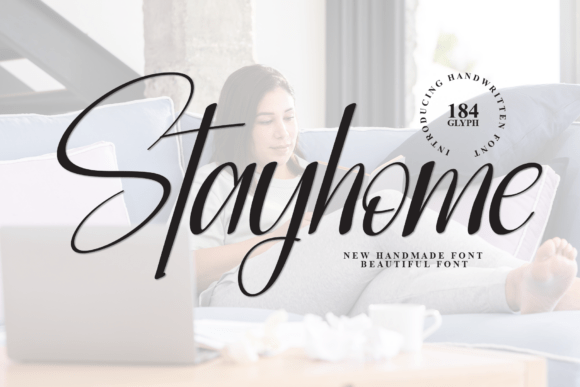
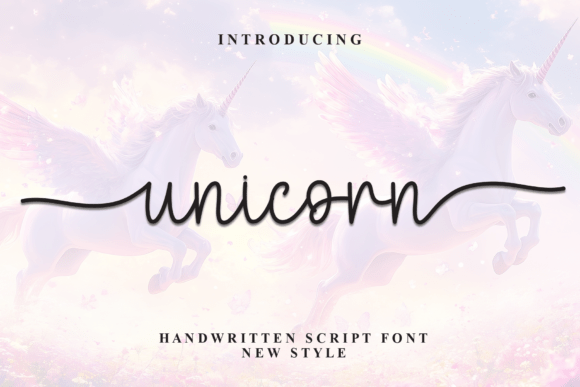
At its core, Unicorn is defined by its graceful strokes and flowing curves. Unlike many traditional serif fonts that rely on structured edges, or sans serif fonts that prioritize geometric simplicity, this handwritten font mimics the organic movement of a calligraphy pen. The letterforms are designed to connect fluidly, creating a sense of continuity and rhythm on the page or screen. There is a distinct delicacy to the design; it avoids being overly scratchy or chaotic, which is a common pitfall in casual handwritten styles. Instead, Unicorn maintains a high level of legibility while retaining that coveted personal charm.
The personality of this typeface is approachable yet sophisticated. It sits comfortably in the realm of modern typography, offering a fresh take on the classic cursive style. It does not feel dated or stuffy. Instead, it projects warmth and creativity. This makes it an excellent creative font for projects that need to feel inviting. For instance, if you are working on brand identity for a boutique hotel or a high-end florist, Unicorn conveys the luxury of personalized service without looking pretentious. It balances beauty with function, ensuring that the aesthetic appeal does not overshadow the message you are trying to communicate.
Strategic Applications: From Branding to Stationery
Knowing where a premium font works best is just as important as liking how it looks. Because Unicorn is a display font with strong decorative qualities, it shines brightest in specific contexts. It is not designed for writing long paragraphs of body text, where a standard sans serif or serif font would be easier to read. Instead, its strength lies in headlines, logos, and accent text.
Logo Design and Brand Identity
For entrepreneurs and small business owners, a logo is often the first handshake with a potential customer. Unicorn is a strong contender for logo design, particularly for brands in the beauty, fashion, wedding, or lifestyle sectors. The flowing nature of the font suggests movement and grace, which can subconsciously influence how a customer perceives the quality of your products. When used in a logo, it helps create a distinct brand identity that feels bespoke and curated.
Digital Presence and Social Media
In the world of web design and social media graphics, grabbing attention is the primary goal. Unicorn works exceptionally well for Instagram quotes, Pinterest pins, and website hero sections. Its visual weight draws the eye immediately, making it perfect for short, impactful messages. Content creators and bloggers can use this font to add a layer of personality to their digital assets, ensuring their graphics stand out in a crowded feed. However, it is crucial to use it sparingly to maintain readability on smaller mobile screens.
Packaging and Print Design
The tactile nature of packaging design benefits greatly from a font like Unicorn. Whether you are labeling artisanal candles, cosmetics, or gourmet foods, this script font adds an artisanal quality to the product. It suggests that care and attention went into the creation of the item inside. Similarly, for editorial design, such as magazine headers or pull quotes, it adds a dynamic contrast to standard body copy.
Stationery and Events
Perhaps the most natural home for Unicorn is in the world of stationery. Wedding invitations, thank you cards, and greeting cards require a level of intimacy that digital fonts often struggle to convey. This handwritten font provides that intimacy effortlessly. It captures the feeling of a handwritten note, which is invaluable for personal projects and event stationery.
Impact on Readability and Visual Hierarchy
Typography is a balancing act between art and engineering. When you introduce a creative font like Unicorn into your design, you are making a deliberate choice about visual hierarchy. In design theory, hierarchy guides the viewer’s eye from the most important element to the least important. Because Unicorn is a display font, it naturally commands attention. By setting your headlines in Unicorn and your body text in a clean sans serif, you create an immediate distinction between the "shout" and the "conversation."
This distinction is vital for audience engagement. If a viewer lands on a page and sees a wall of text written in a complex script, they will likely leave because the cognitive load is too high. However, if they see a beautiful, flowing header that leads into a crisp, easy-to-read paragraph, they feel guided and respected. Unicorn contributes to brand perception by signaling that the brand values aesthetics and detail. It adds a layer of professionalism when used correctly, showing that you understand the nuances of design.
Furthermore, using a consistent typeface like Unicorn across your materials builds recognition. Over time, your audience will begin to associate the specific curves and style of the font with your brand. This consistency is a cornerstone of effective marketing. Whether they see your font on a flyer, a website, or a social media post, the visual connection remains intact, reinforcing your brand identity.
Practical Guide to Using Unicorn Effectively
Adopting a new font requires more than just installation; it requires strategy. Here is some practical guidance on how to evaluate and implement Unicorn in your workflow.
Evaluating Project Fit
Before selecting Unicorn, ask yourself about the tone of your project. Is it serious and corporate, or is it friendly and creative? If you are designing a legal contract or a technical manual, this font is not the right fit. However, if you are designing a menu for a cafe, a landing page for a coaching business, or social media graphics for a lifestyle brand, it is an excellent choice. It fits best where human connection and creativity are valued.
Mastering Font Pairings
The success of a script font often depends on its partner. Font pairing is an art form. Because Unicorn has high contrast and decorative swashes, it pairs best with simple, geometric sans serif fonts. Think of fonts like Montserrat, Lato, or Open Sans. These neutral backgrounds allow the details of Unicorn to pop without creating visual clutter. Avoid pairing it with other ornate fonts or overly detailed serif fonts, as this will result in a chaotic layout.
Testing Readability
Always test your typography at the size it will be viewed. While Unicorn is legible for headlines, you must ensure that specific letter combinations do not get lost. Check the kerning (space between letters) and tracking. Sometimes, handwritten fonts require manual adjustment to ensure letters don’t overlap awkwardly. If you are using it for web design, test it on multiple devices to ensure the curves render smoothly.
Reviewing Styles and Licensing
When investing in a commercial font, look at the full package. Does the family include different weights? Does it have alternates or ligatures? These extra glyphs can be lifesavers, allowing you to customize the look of the font so it doesn’t look generic. Furthermore, always check the licensing. If you are a small business owner selling products, you need a license that covers commercial use. A premium font usually comes with a license that protects both you and the designer, ensuring you have the legal right to use the asset in your packaging design or merchandise.
In conclusion, Unicorn is more than just a collection of letters; it is a versatile design asset. It offers a blend of elegance and approachability that few other typefaces can match. By understanding its visual characteristics and applying it strategically to your brand identity, editorial design, or personal stationery, you can create work that resonates deeply with your audience. It proves that in the world of modern typography, a touch of humanity can make all the difference.